Education for the Elder Care Professional
Standard Dementia Training
Dementia Education for ONboarding and Continuing Education
Training that is Engaged, Innovative, and Impactful
The Standard Dementia Training is designed to help onboard your new staff and provide continuing education for your entire team. Each module is designed to provide both lecture and hands on style learning, weaving the importance of caring for the care partner and teamwork into each lesson.
This training is best when approached through an interdisciplinary audience. Nurses learning next to Pastoral Care, next to Administrators next to Life Enrichment, and so on. Volunteers are welcome.
What We Cover
The 8-Hour Training Covers All of the FOllowing Modules, with the 4-Hour Module offering a selection TAILORED to your needs and requirements.
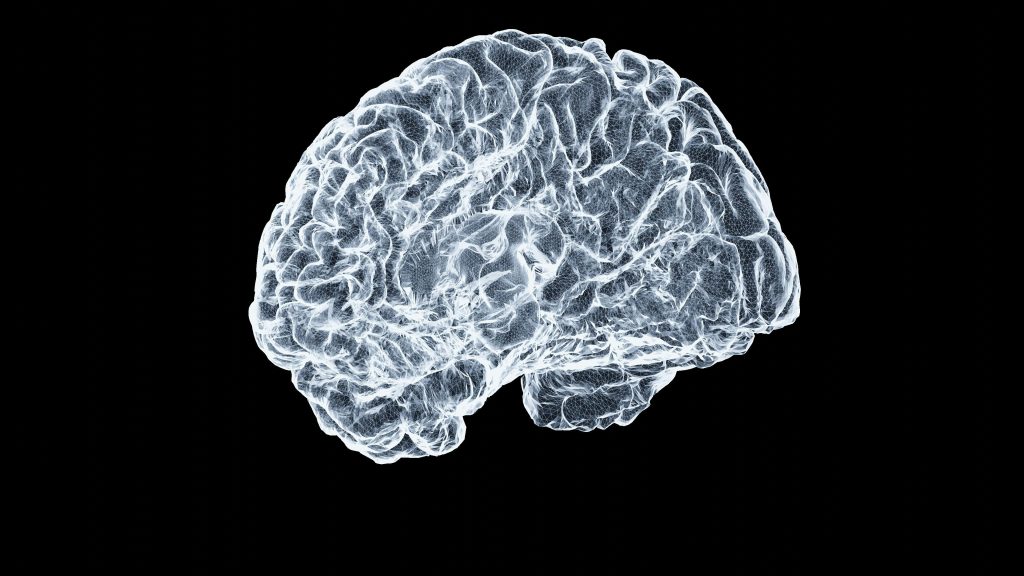
Understanding Dementia
Module 1
What is Dementia? What are the Stages? How does that impact how I need to care for someone?
Communication and Behaviors
Module 2
All behaviors are communication. How do we naviaged challenging communications? How do we best communicate the care we need to provide? How do we navigate a moment when we don’t understand what someone is trying to communicate?


Engagement and Person-Directed Care
Module 3
We are all on the engagement team! What is person-directed care? Why must we look at the person before the disease or care chart information? Are we providing care for our comfort or for their good?
Palliative Care and Pastoral Support
Module 4
What is Palliative Care and Pastoral Support? Why should I care? What is my role in providing this care?
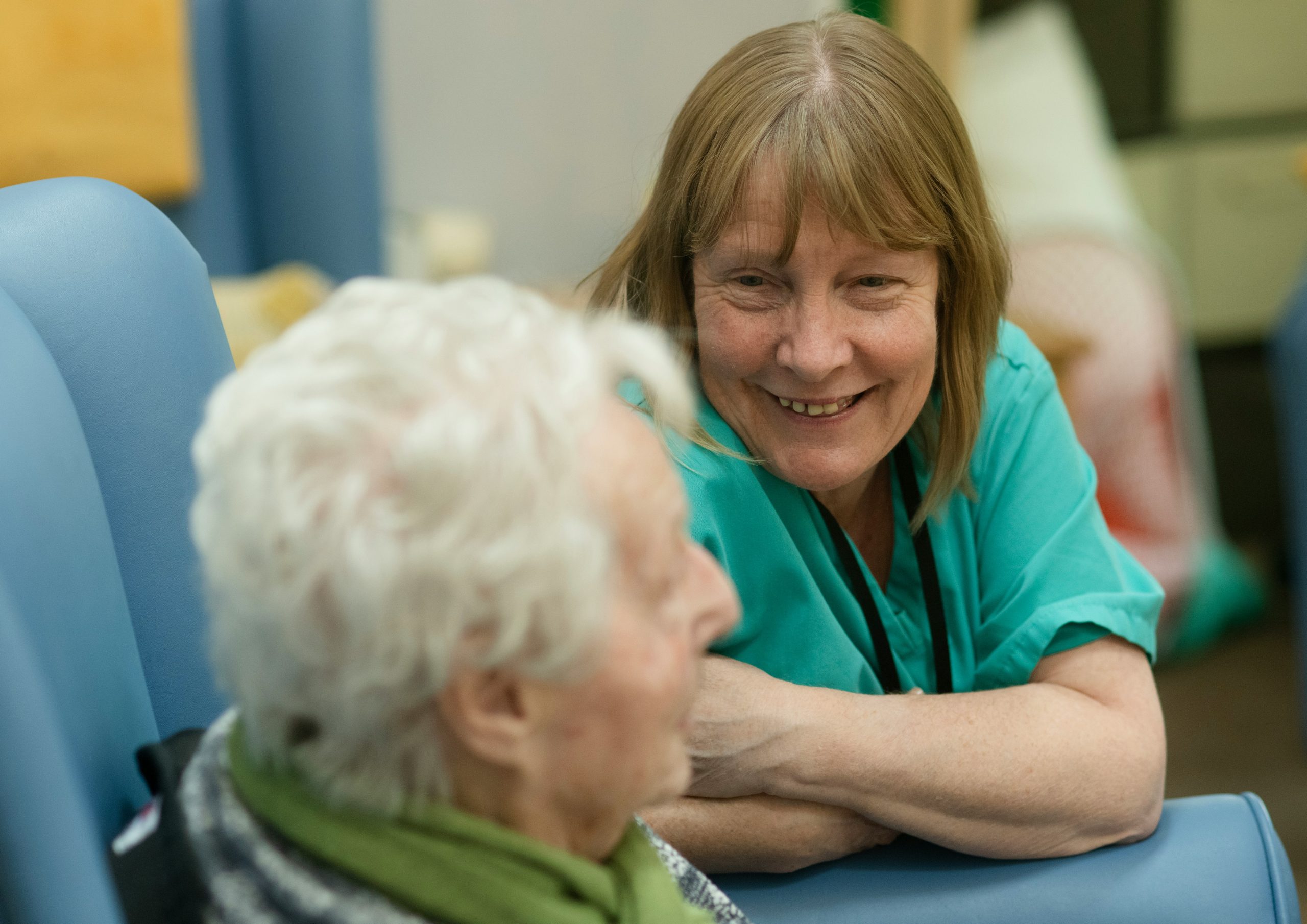
Care for the Care Team
Module 5
How do I prevent myself from burning out? How do I care for the fellow care partners I work with each shift? How can we work better as a team and improve cross-discipline communication?
Family Support
Module 6
How do I help care for the family and loved ones of our residents and clients? Why should I take the time to care for them? How do I include them in care planning and support? Why might they respond the way they do to both small and large instances?
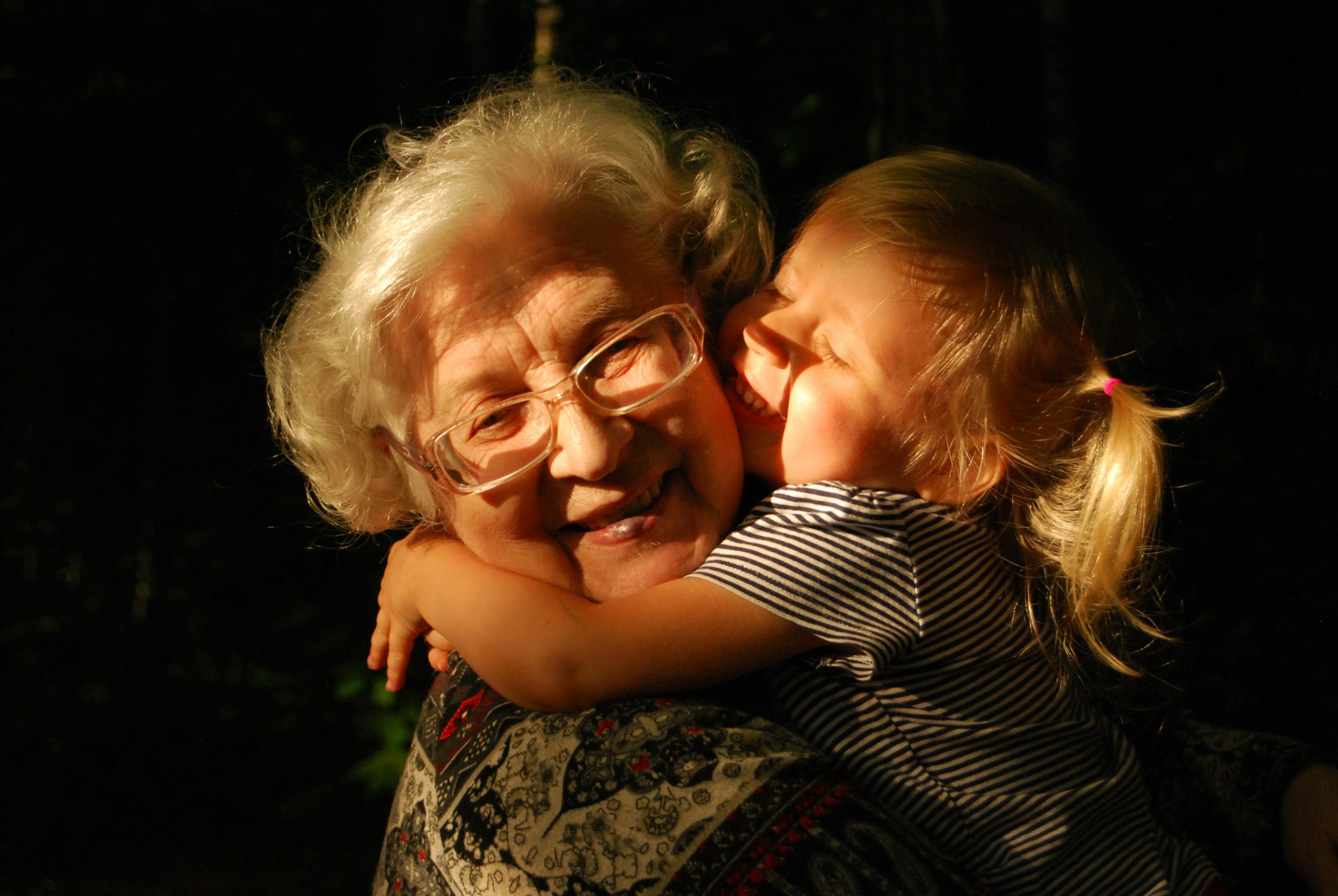
Fit for Community
Levels of Depth
8-Hour
- 8-Hours of In-Person Hands On Training
- Offers ALL Module Listed Above
- Pre-Post Tests and Certification
- Follow up Sessions
4-Hour
- 4-Hours of In-Person Hands On Training
- Select up to 4 Modules Listed Above
- Post-Test and Certification
- Follow up Sessions